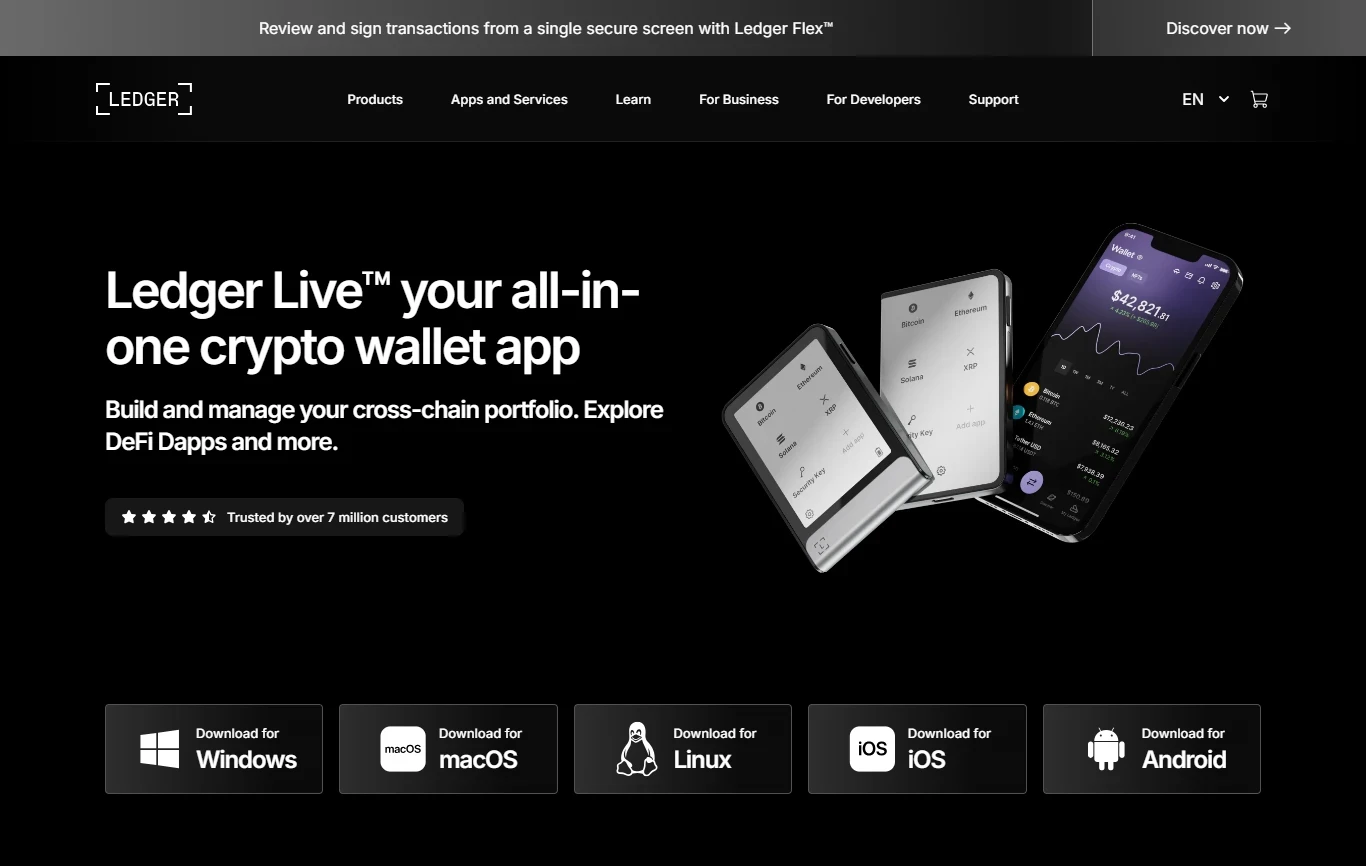
Beginner’s Guide to Setting Up Ledger Live Desktop: A Step-by-Step Tutorial
Are you new to cryptocurrency and looking for a secure way to manage your digital assets? Ledger Live Desktop is the official application from Ledger, designed to work seamlessly with Ledger hardware wallets like the Nano S Plus and Nano X. This beginner-friendly software allows you to buy, sell, swap, stake, and track over 500 cryptocurrencies—all while keeping your private keys offline for maximum security. In this comprehensive Ledger Live Desktop setup guide, we'll walk you through the entire process, from download to initial configuration, ensuring you're up and running safely. Whether you're a complete novice or transitioning from other wallets, this tutorial covers everything you need to know.
Why Choose Ledger Live Desktop for Crypto Management?
Ledger Live Desktop stands out for its user-friendly interface, robust security features, and integration with hardware wallets. Unlike hot wallets that store keys online, Ledger keeps them on your physical device, protecting against hacks and phishing attacks. It's compatible with Windows, macOS, and Linux, making it accessible for most users. Plus, with built-in tools for portfolio tracking and staking, it's an all-in-one solution for beginners entering the crypto world. Setting it up takes just a few minutes, but following official steps is crucial to avoid scams.
System Requirements for Ledger Live Desktop
Before starting, ensure your computer meets the minimum specs:
Windows: Version 10 (64-bit) or later.
macOS: 10.15 (Catalina) or newer.
Linux: Ubuntu 20.04 LTS or equivalent (64-bit).
At least 4GB RAM and 1GB free storage.
A USB port for connecting your Ledger device (or Bluetooth for Nano X). If your system is outdated, update it first to prevent compatibility issues.
Step 1: Download Ledger Live from the Official Site
Always download Ledger Live Desktop from the official Ledger website to avoid malicious software. Visit ledger.com/start or the downloads page on ledger.com. Select the desktop version for your operating system (Windows, Mac, or Linux). The file will be an installer like "LedgerLiveSetup.exe" for Windows or a .dmg for Mac. Beware of phishing sites—double-check the URL starts with "https://www.ledger.com/". This step is vital for security, as fake downloads can compromise your assets.
Step 2: Install the Application
Once downloaded, run the installer file. For Windows, double-click the .exe and follow the prompts, granting permissions if needed. On macOS, open the .dmg, drag the app to your Applications folder, and eject the disk. Linux users may need to use the AppImage or follow distribution-specific instructions. The installation typically takes 1-2 minutes. If you encounter errors, check your antivirus settings or run as administrator.
Step 3: Launch Ledger Live and Complete Initial Setup
Open Ledger Live Desktop from your applications menu. On first launch, you'll see a welcome screen. Click "Get Started" to begin. The app may prompt you to create a password for additional security—this is optional but recommended for app-level protection. Next, it will guide you through analytics and update preferences. Opt-in if you want, but it's not mandatory. Ensure the app checks for updates automatically to stay secure.
Step 4: Connect Your Ledger Hardware Wallet
Plug in your Ledger device via USB (or pair via Bluetooth for Nano X). The app will detect it automatically. If it's a new device, select "Set up as new device." For existing ones, choose "Restore from recovery phrase" if needed. Follow on-screen instructions to initialize the device, set a PIN (4-8 digits), and confirm it on the hardware wallet itself.
Step 5: Generate and Secure Your Recovery Phrase
This is the most critical step. Your Ledger device will display a 24-word recovery phrase. Write it down on the provided recovery sheet or a secure metal backup. Never store it digitally or share it—it's the key to recovering your wallet if lost. Confirm the words on the device to verify. Remember, Ledger Live Desktop never asks for this phrase; if something does, it's a scam.
Step 6: Add Accounts and Manage Crypto
Once connected, go to the "Accounts" section and click "Add Account." Select your cryptocurrency (e.g., Bitcoin, Ethereum), and the app will sync with the blockchain. You can now receive funds by generating addresses, send crypto with hardware confirmation, or explore staking options for supported coins. For beginners, start with small test transactions to get comfortable.
Beginner Tips and Security Best Practices
Update Regularly: Keep Ledger Live and device firmware updated via the app's Manager section.
Verify Authenticity: Use the "Genuine Check" feature in Ledger Live to confirm your device isn't tampered with.
Avoid Phishing: Never enter your recovery phrase online. Use two-factor authentication where possible.
Backup Securely: Store your recovery phrase in a fireproof safe, away from digital devices.
Troubleshooting: If sync issues arise, check USB connections, update drivers, or restart the app.
By following these steps, you'll have a secure setup ready for crypto management. Ledger Live Desktop empowers beginners with tools to grow their portfolio confidently.
Conclusion
Setting up Ledger Live Desktop is straightforward and essential for anyone serious about crypto security. This beginner guide has covered the essentials, from downloading safely to adding your first account, ensuring you avoid common pitfalls. With Ledger's offline key storage, you're better protected than with software wallets alone. Start small, learn as you go, and always prioritize security. If you encounter issues, visit Ledger's support site for more help.